
SOLO
Solo
US$14.50 US$29 / month
- 400M tokens included
- 1 repository
The lights-out software factory for the Agent era
Orbi writes code for your GitHub Issues with AI. It arranges independent AI review, merges approved changes, and follows your repository’s release process. You don’t have to supervise every step.
Try Orbi Cloud free →GitHub sign-in and App install required. No credit card required Open source · Self-host ↗
orbi-build/orbi · real delivery
Issue #1306 → Release v0.5.42
SHIPPING TODAY
An Issue is the executable unit, but Orbi does not manage Issues in isolation. Epics and milestones hold scope. Dependencies order the work. Review and repair converge each PR. A Release Issue freezes the result into a version.
Orbi picks it up and writes the code in an isolated working copy.
It checks the PR against the Issue's acceptance criteria and fixes what fails.
The reviewed code merges once CI passes on the latest base, then Orbi tags the release.
PRODUCTION EVIDENCE
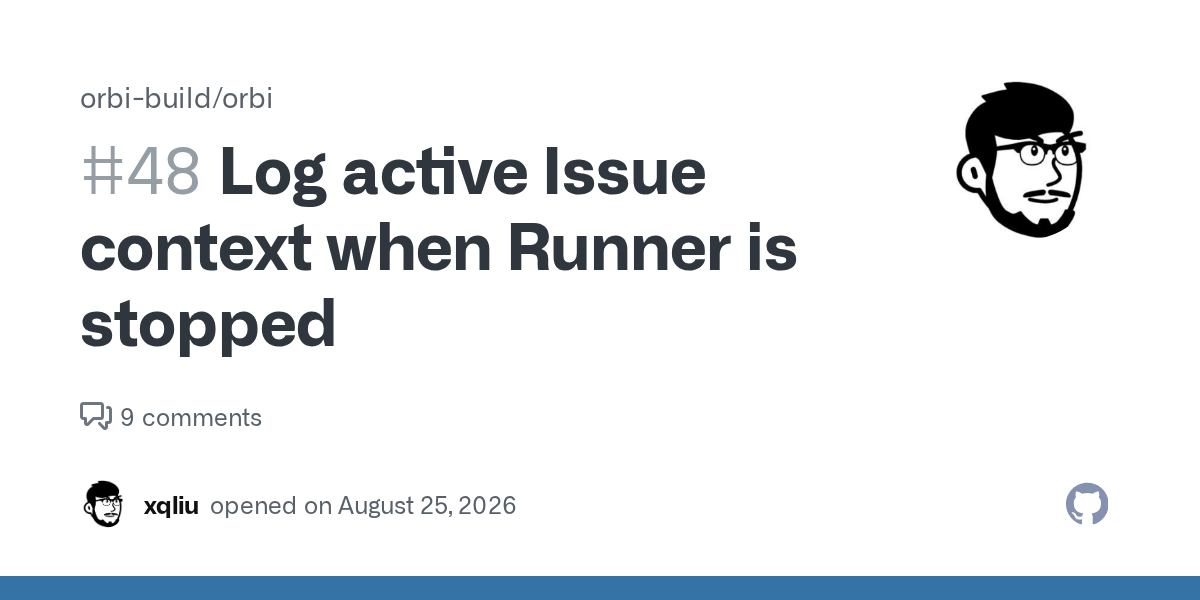
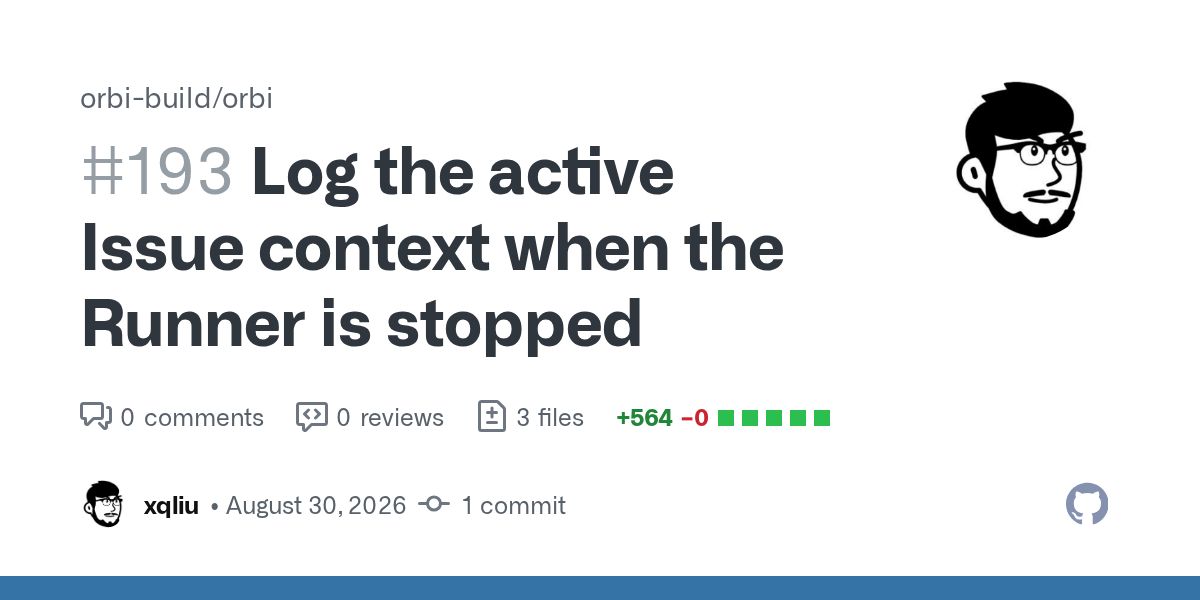
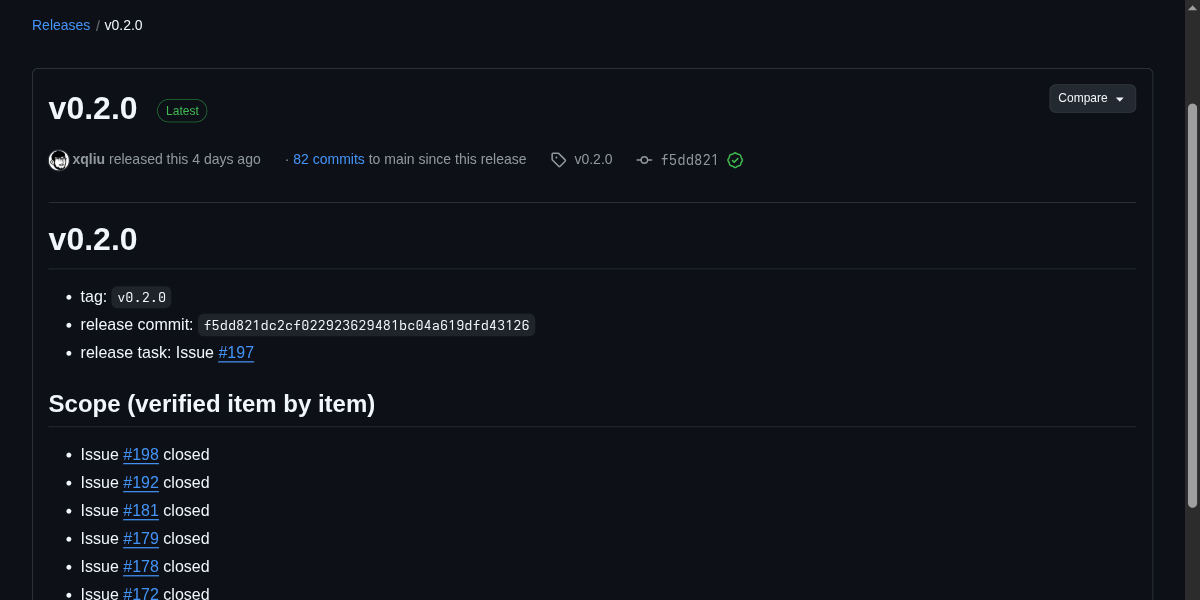
Issue #48 entered the real Orbi repository. An isolated run implemented it, a separate session reviewed the exact diff, PR #193 merged, and the work shipped in Release v0.2.0 with every Issue in scope verified item by item. The record is still inspectable because the record is GitHub.
The reviewer changes code, reruns the suite, and judges the repaired head.
A fresh base, a mergeable PR, and the commit CI passed on — a base update after the review is merged in and re-checked, not reviewed again.
Every step is written back to the Issue and the pull request, so a restart continues where the last one stopped.
Run this on your own repository
curl -fsSL https://aiready.sh | shNeeds a machine that stays on — Linux with systemd, or macOS with launchd — plus git, gh, curl and a model endpoint. The installer adds the Python runtime and the coding agent; orbi doctor names whatever is missing.
git clone https://github.com/orbi-build/orbi.git && cd orbi
uv tool install --force --reinstall --editable --python /usr/bin/python3 .
cp .orbi.example.toml orbi.toml
orbi setup --config orbi.tomlPrefer to self-host? Run Orbi on your own machine — the open source (AGPL-3.0) core is free forever. Setup guide ↗
orbi-build/orbiOrbi itself
orbi-build/orbi-websiteThis website
orbi-build/orbi-cloudPrivateCloud service
Teams already running Orbi


 +50
MANAGED CLOUD PRICING
First 3 merged pull requests free · No credit card required
SOLO
US$14.50 US$29 / month
PRO
US$39.50 US$79 / month
Founding members: 50% off for life. 5 of 6 places left.
See full pricing →BEFORE YOU INSTALL
For self-hosted Orbi you need a machine that stays on — Linux with systemd, or macOS with launchd — plus git, gh, curl, and API access to a model you already pay for. The installer adds uv, the Python runtime and the coding agent; if the coding agent is not installed yet, bring Node 22.19 or newer with npm. No GPU is required — the model does the thinking, and it can be a hosted API. The setup guide walks through the rest.
Self-hosted: your repository, keys, and test suite stay on your machine; nothing is uploaded to us. Cloud: the hosted worker clones the repository you authorize onto machines we operate, for as long as a delivery runs — see “Can you see my code?” on the Cloud page.
For self-hosted Orbi, bring your own model. Orbi drives the agent through your credentials, using any OpenAI-compatible API or a locally hosted model, and you can change your mind later without changing your workflow.
Model spend goes to your provider at your rate. Orbi charges nothing on top: the self-hosted core has no platform fee. Cloud includes model usage.
Those are editors — they make you faster while you are typing. Orbi is what happens when nobody is typing: it takes an Issue from your backlog, works in an isolated working copy, and takes it through review and merge to a tagged release.
The difference that matters is what happens after the code is written. A second session reviews the exact diff, repairs it, and reruns the suite, and the reviewed code merges once CI passes on the latest base. That review step is the product.
Another Orbi session, running independently of the one that wrote the code, and it can change the branch rather than only comment on it. It reruns the tests against its own repairs and judges the repaired head.
You stay the last gate. The work lands as a normal GitHub pull request, so your branch protection, required checks, and human approvals apply exactly as they do today.
Nothing has to be explained twice. Because the Issue, the pull request and the labels live in GitHub rather than in a process, a killed process or a failed test cannot leave two versions of what happened.
A restart rebuilds its state from that record: the same branch, the same pull request, the same work in progress.
Open source under AGPL-3.0, or the Sustainable Use License if your policy rules out AGPL. Self-hosting is free under either.
Managed Cloud starts with GitHub: sign in, install the App. No credit card or subscription required. Solo is US$14.50/month with 400M tokens, and Pro is US$39.50/month with 1.2B tokens. Yearly billing and the full comparison are in the Cloud pricing section.
Annual plans only: send USDT on the TRC20 (TRON) network to TWPwTNo4PMndRKi2ffGGmJkE3PwHwX8Job — Solo 145 USDT or Pro 395 USDT, no code needed — then email the transaction hash and your GitHub username to support@orbi.build (or the Telegram group), and we open the plan once the transfer confirms. TRC20 only: a transfer on another network cannot be recovered, and the transfer fee is paid by the sender. The Cloud pricing section carries the copy button and the founding terms.
MANAGED CLOUD
Try Orbi Cloud on your own repository, then let Orbi carry the work to a tagged release.
One email a week: new features, hands-on posts and numbers from our own work with Orbi. Unsubscribe anytime.
THIRD-PARTY DELIVERIES
Merged in other people's repositories
Orbi opened these pull requests in repositories it does not own. Every link opens the public GitHub record.
Tommy Xiao @xds2000
xiaods/k8e
docs: state the NetworkPolicy enforcement guarantee (bundled Cilium) and the silent no-op risk without it
no human review
minuda2009/Soncle-music
Windows head scaffold: Soncle Preview — Mica shell, rail, player bar, tray
no human review
toondji-ix/safehearts
Make the home page load faster (index.html is committed empty)
no human review
zzuu080603/Tianshu-harness
天枢安全审计:清点尚未被发现的漏洞
no human review
SHUKE-LABS/my-ai-team-docs
docs-site: own the site here; move reference docs under /reference/ with an autogenerated sidebar and redirects
no human review
10 deliveries in other people's repositories →